

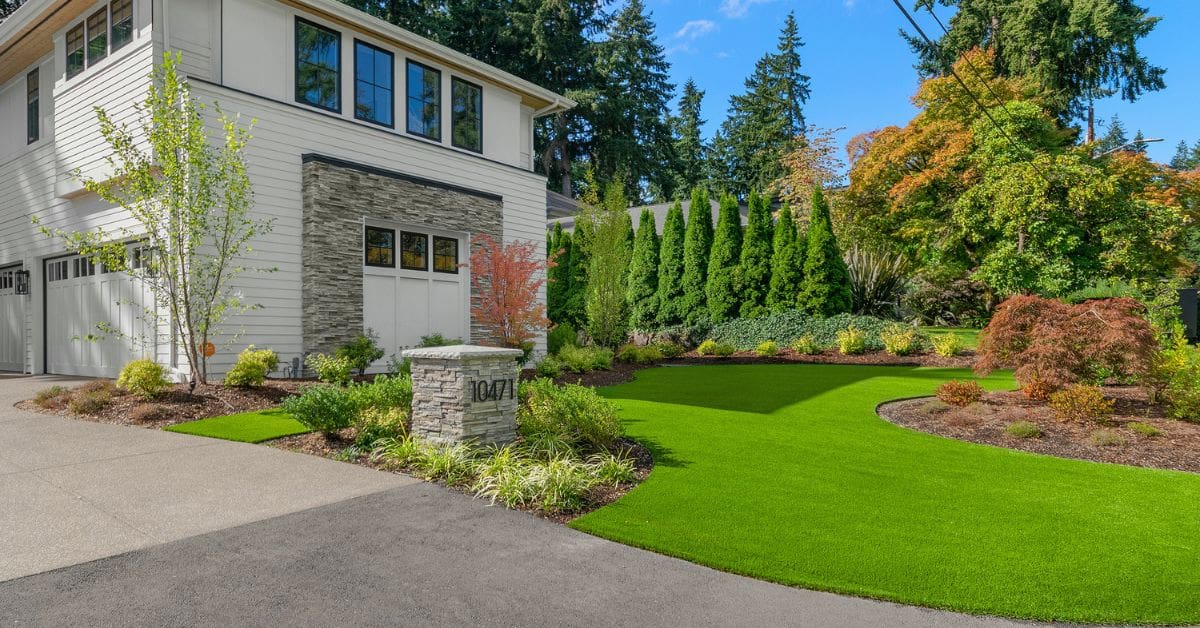
Choosing the right installer for artificial grass is crucial to ensure a successful and long-lasting green space. The quality of the installation can significantly impact the appearance, durability, and performance of your synthetic grass. Read on to learn some essential tips for choosing the right installer.
Research Their Artificial Turf Experience and Expertise
When selecting a turf installer, it’s important to research their experience and expertise. An experienced installer will have a proven track record of successful installations and a deep understanding of the intricacies involved in laying synthetic turf. Look for companies that specialize in artificial grass and have been in the business for years. Their expertise will ensure that the installation is done correctly, minimizing the risk of issues such as poor drainage, uneven surfaces, or premature wear. Experience is a key indicator of reliability and quality.
Check for Proper Licensing and Insurance
Before hiring an installer, verify that they are properly licensed and insured. Licensing indicates that the installer meets the necessary industry standards and regulations. Insurance is equally important, as it protects you from liability in the event that accidents or damages occur during the installation process. A reputable installer will have no problem providing proof of their licensing and insurance. Working with a licensed and insured installer gives you peace of mind knowing that your project is in capable and professional hands.
Read Customer Reviews and Testimonials
Customer reviews and testimonials provide valuable insights into an installer’s reputation and the quality of their work. Take the time to read reviews on multiple platforms, such as Google, Yelp, and the company’s website. Pay attention to recurring themes, whether positive or negative. Consistent praise for professionalism, punctuality, and quality of work is a good sign, while frequent complaints about poor communication or subpar results should be red flags. Testimonials from satisfied customers can also help you find a contractor with a strong local reputation among homeowners or businesses.
Ask for a Portfolio of Past Work
A portfolio of past work is a visual representation of an installer’s capabilities and style. Reviewing their portfolio allows you to assess the quality of their installations and determine whether their work aligns with your aesthetic preferences. Look for projects similar to yours in scope and complexity, whether that means a backyard landscape, a family lawn, or a play area. A diverse portfolio indicates versatility, while consistently well-executed installations suggest a high level of experience. Providing a portfolio also demonstrates the installer’s transparency and willingness to showcase their expertise.
Inquire About the Synthetic Turf Installation Process
Understanding the installation process is crucial to ensuring that the installer follows best practices and industry standards. Ask the installer to walk you through their process, from site preparation to final inspection. You should be able to understand each step so you know what to expect before getting started. Key aspects to inquire about include the type of base materials used; reliable installers typically excavate 2 to 4 inches of soil and replace that layer with a crushed aggregate base for drainage; the methods for securing the turf; and the steps taken to ensure proper drainage. Properly installed turf with a weed barrier greatly reduces weed growth, and if any appear, they can be treated without harming the turf. A thorough explanation of the process indicates that the installer is knowledgeable and committed to delivering high-quality installation services, and helps you understand what they need to do at each stage.
Verify Warranty Information and Maintenance Support
A reputable synthetic grass installer should offer a warranty on their work and provide maintenance support after the installation is complete. The warranty protects you in case of defects or issues that arise due to installation errors, and high-quality turf can last 15 to 20 years with proper care. Ask about the specifics of the warranty, such as its duration and what it covers. Additionally, inquire about maintenance support, including recommended upkeep practices for maintaining a low maintenance surface. Since artificial grass needs far less upkeep than natural grass, focus on regular brushing to keep fibers upright and occasional rinsing to remove debris and keep the turf clean. A solid warranty and maintenance plan demonstrate the installer’s confidence in their work and their commitment to customer satisfaction.
Compare Quotes and Services
When choosing an artificial turf installer, it’s essential to compare quotes and services from multiple companies. Obtain detailed written estimates that outline the scope of work, materials, and costs involved. Avoid choosing an installer solely based on the lowest price, as this can sometimes indicate lower-quality materials or work. Instead, compare the overall value offered by each installer, considering factors such as experience, reputation, and the comprehensiveness of their services, as well as how the product can save money over time through reduced watering and lower landscape irrigation needs, which can cut utility bills and reduce water usage compared to a traditional lawn. A balanced approach to pricing and standards ensures that you get the best return on your investment, with a solution that fits your budget rather than simply the lowest upfront quote.
Evaluate Communication and Responsiveness
Effective communication is a key factor in the success of any project. Clear communication helps establish a smoother experience, allowing the team to connect expectations, timing, and next steps. Pay attention to how responsive and communicative the installer is from your initial inquiry through the final stages of the project. An installer who promptly returns calls, answers questions thoroughly, and keeps you informed throughout the process is more likely to deliver a satisfactory installation experience. Good communication also helps prevent misunderstandings, gives you access to updates, and keeps the project ready to move forward.
Check References
Asking for a client reference from a similar project is a reliable way to gauge the installer’s reliability and the caliber of their work. A reputable installer should be willing to provide references from previous clients who can speak to their experience. When contacting references, ask about their overall satisfaction, the installer’s professionalism, and the quality of the completed project. Positive feedback from neighbors or past clients is a strong indicator that the installer is trustworthy and capable of delivering the results you expect.
Consider the Range of Products Offered
The variety and quality of the synthetic turf products offered by the installer are important considerations, and each product should have features suited to its intended use. A good installer will offer a range of turf options that cater to different needs, such as sports fields, pet areas, residential lawns, or home putting greens, which provide a consistent surface for golf practice year round. The products should be top-notch, durable, and backed by manufacturer warranties. Premium options may be designed with the latest drainage and durability technology, including advanced backing systems built to improve performance. Quality turf is also built to handle hot conditions and heavy rain while staying green year round. In addition, the installer should be knowledgeable about the products they offer and able to recommend the best options for your specific requirements. A wide selection of quality products ensures that your installation meets your needs and stands the test of time.
Assess Site Preparation and Base Materials
Proper site preparation and the choice of base materials are critical to the longevity and performance of your synthetic turf installation. Ask the installer about their approach to site preparation, including how they handle issues like drainage, grading, and soil stability. The base material, typically a mix of crushed rock and sand, is essential for creating a solid foundation for the turf. An installer who emphasizes thorough site preparation and suitable base materials is more likely to create a practical, long-lasting surface that remains stable for residential or commercial use.
Ask About Infill Options
Infill plays a crucial role in the performance and comfort of your artificial turf, providing the surface with support and making the turf perfect for the intended application. It helps keep the turf fibers upright, provides cushioning, and aids in drainage. Ask the installer about the types of infill they use, such as silica sand, rubber granules, or organic options. The choice of infill can impact the feel and functionality of your turf, especially when it comes to specific applications like sports fields or pet areas. A knowledgeable installer will explain the benefits of each type and provide guidance on the best infill choice for how you want to enjoy the space.
Now that you know the top tips for choosing the right artificial turf installer, you can confidently select a professional who will deliver a superior installation that meets your needs. Whether you’re planning for a residential lawn, a commercial space, or a sports field, choosing the right synthetic grass installer is the first step in achieving a beautiful and functional outdoor space. Contact our team at Synthetic Turf Northwest to learn more about our products and services.